
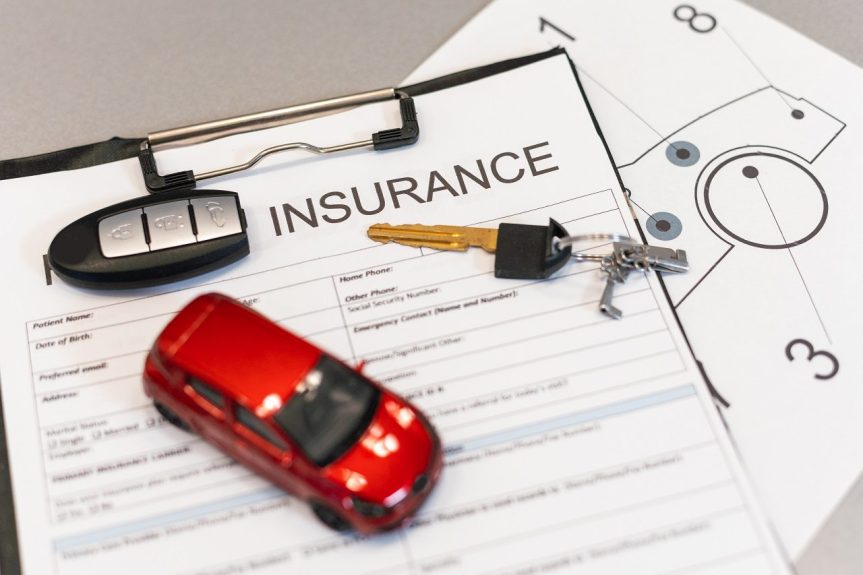
• Car Insurance Options in South Africa: Which One Suits Your Lifestyle?

    Car insurance in South Africa isn’t one-size-fits-all. From young professionals just starting out, to families juggling multiple cars, to retirees looking for peace of mind, the right cover depends on your lifestyle and financial goals. Understanding the available options is essential to avoid paying too much—or worse, being underinsured when you need protection the most. Let’s explore the main types of cover, their benefits, and how to decide which one fits your circumstances best.

    Why Car Insurance Matters in South Africa

    With high accident rates, theft risks, and unpredictable road conditions, car insurance isn’t a luxury—it’s a necessity. It cushions you financially against repairs, replacement costs, or third-party claims. But many South Africans still find car insurance overwhelming because of the wide range of plans and providers. That’s where getting car insurance cover explained can help you make the right decision.

    The Three Main Types of Car Insurance

    1. Comprehensive Cover

    Comprehensive car insurance provides the broadest protection. It covers damage to your own vehicle, theft, fire, and third-party liability. This option is ideal for:

    • Owners of new or high-value cars.
    • Individuals who want complete peace of mind.
    • People who rely heavily on their car for work or family needs.

    Although premiums are higher, comprehensive cover ensures you’re safeguarded from most unexpected events.

    1. Third-Party, Fire, and Theft (TPFT)

    TPFT is a middle-ground option. It protects you if your car is stolen or damaged by fire, and it also covers liability if you cause damage to someone else’s car or property. This is a good choice for:

    • Drivers with mid-range or older vehicles.
    • Those seeking a balance between affordability and adequate protection.

    It’s cheaper than comprehensive cover but still shields you from some major risks.

    1. Third-Party Only

    This is the most affordable type of car insurance in South Africa. It covers damages you cause to another person’s vehicle or property but does not protect your own car. It may suit:

    • Drivers with older, low-value cars.
    • Individuals on tight budgets who still want to avoid financial ruin from third-party claims.

    While it keeps monthly costs low, the downside is that you’re responsible for repairing or replacing your own car.

    Lifestyle Factors to Consider

    Choosing the right cover isn’t just about car value—it’s about lifestyle fit:

    • Young professionals may prefer flexible, affordable policies that grow with them.
    • Families often lean towards comprehensive cover for maximum protection on multiple vehicles.
    • Budget-conscious drivers may opt for third-party or TPFT plans to manage costs.
    • Urban vs. rural living also matters—city drivers face higher risks of theft and accidents, while rural drivers may focus more on accident and damage cover.

    The Rise of Flexible Car Insurance

    Modern insurers, like Pineapple, now offer personalised and app-based policies that adapt to how and when you drive. This makes cover more affordable, especially for first-time drivers or those who don’t use their cars daily.

    Final Thoughts

    The best car insurance is the one that fits your lifestyle, budget, and risk profile. Whether you choose comprehensive peace of mind or a cost-effective third-party option, understanding your choices empowers you to make smarter decisions.

    If you’re ready to explore your options with car insurance cover explained, visit Pineapple Car Insurance and find the plan that works for you.

  • Do EVs Lose Value Faster Than Petrol or Diesel Cars?
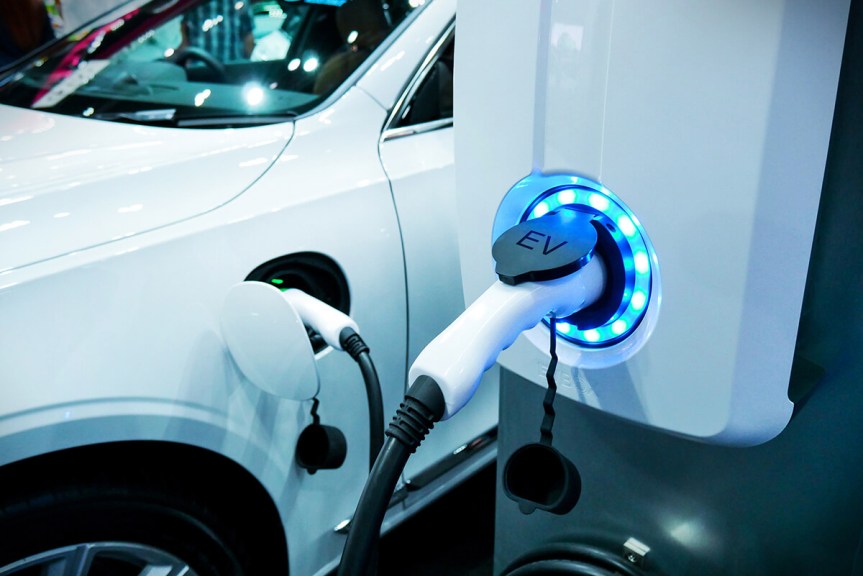
    It’s safe to say that the electric vehicle (EV) market has experienced significant growth over the years, and many drivers are now considering whether to go electric or stick with a traditional petrol or diesel car. One of the key questions on everyone’s mind is: Do EVs lose value faster than fuel-powered cars? In this article, we’ll explore the key facts, the factors that contribute to vehicle depreciation, and what this means for buyers, especially those looking for the best EV cars in India.

    Depreciation: The Basics

    All cars lose value as soon as they leave the showroom. This process, known as depreciation, is influenced by factors like age, mileage, technology, and market demand. So, how do electric vehicles compare to their petrol or diesel counterparts?

    Quick Comparison: EVs vs Fuel Cars

    Aspect Electric Cars Fuel Cars
    Depreciation (3 years) 40%-50% (varies by model and battery) 35%-40% (varies by segment)
    Battery/Engine Life 5-8 years (battery) 10-15 years (engine)
    Maintenance Lower (fewer moving parts) Higher (more parts, more wear)
    Market Demand Growing but still limited Large and established
    Government Incentives Available, but rarely transferable to resale None
    Running Costs Lower (electricity cheaper, less servicing) Higher (fuel and maintenance)
    Resale Value Concerns Battery replacement, tech advances, demand Engine wear, but established resale market

    Why Do EVs Depreciate Faster?

    Research and insurance industry data show that EVs tend to lose value a little quicker than petrol or diesel cars, especially in the first three years. There are a few reasons for this:

    • Battery Life and Replacement Costs: The battery is the most expensive part of an EV. While modern batteries last 5–8 years, buyers worry about costly replacements, which can affect resale value.
    • Rapid Tech Evolution: EV technology is advancing quickly. Newer models with better range and features can make older EVs seem outdated, pushing prices down faster.
    • Market Demand: While demand for EVs is growing in India, it’s still catching up to traditional cars. This limited demand means used EVs can be harder to sell, impacting their value.
    • Government Incentives: Many new EVs benefit from subsidies, but these don’t apply to second-hand buyers, making used EVs less attractive.

    How Does This Play Out in India?

    The Indian market is still at an early stage for EVs, with less than 2% of vehicles on the road being electric. As a result, insurance companies currently depreciate EVs at a similar rate to petrol and diesel cars, but this may change as the market matures and more data becomes available.

    Notably, some of the best EV cars in India, such as those with a range of over 240 km per charge, fast DC charging, and advanced comfort features, are helping to boost confidence in the segment. These models offer practical benefits, like lower running costs and fewer mechanical issues, which may help slow depreciation as consumer trust grows.

    Comparing Features: Electric vs Petrol/Diesel Cars

    • Infotainment: EVs typically offer advanced touchscreens with wireless connectivity as standard, while petrol/diesel cars often reserve these features for top variants.
    • Cabin Comfort: Electric cars like the Citroën ë-C3 often have a roomier feel inside, thanks to flat floors and modern layouts. The ë-C3 Citroën car’s interior is designed to maximise space and comfort, whereas petrol and diesel cars typically feature more traditional interiors with some space taken up by transmission tunnels.
    • Driving Experience: EVs provide instant torque and a quieter ride, whereas petrol/diesel cars deliver familiar engine response and sound.
    • Maintenance: EVs require less frequent servicing, while petrol/diesel vehicles need regular oil changes and more mechanical upkeep.

    The Key Takeaway

    While EVs currently tend to lose value faster than petrol or diesel cars, mainly due to battery concerns, rapid technological changes, and a smaller used market, this trend is beginning to shift. As the technology matures and consumer demand grows, the gap in depreciation is expected to narrow.

    For buyers looking for the right EV, it’s important to consider more than just resale value. Factors like lower running costs, minimal maintenance, and environmental benefits make EVs a compelling choice. If you plan to keep your car for several years and value modern features and ease of ownership, choosing an EV can still be a smart long-term decision. As the market continues to grow, resale values are likely to improve, making the switch to electric an increasingly attractive option.

  • Why Every Singapore Driver Needs 24/7 Car Service: Your Complete Guide to Emergency Roadside Assistance
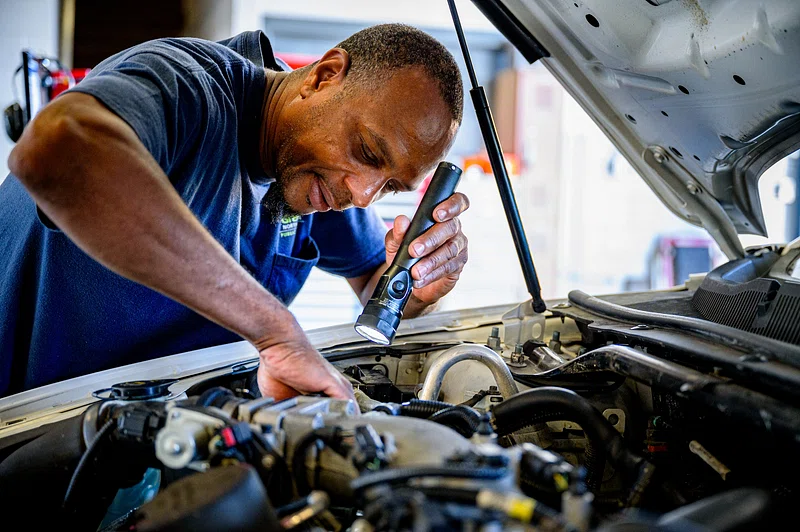
    When you’re driving through Singapore’s bustling streets, the last thing you want is to be stranded with a broken-down vehicle. That’s precisely why having access to reliable 24 hrs car service can be the difference between a minor inconvenience and a major disruption to your day. Whether you’re commuting to work, rushing to an important meeting, or simply enjoying a weekend drive, mechanical failures don’t wait for convenient times.

    Singapore’s unique driving landscape presents its own set of challenges. With over 996,000 motor vehicles on the island’s roads as of 2023, the likelihood of encountering vehicle troubles has never been higher. The combination of tropical weather, heavy traffic, and the demanding nature of urban driving means that even the most well-maintained vehicles can experience unexpected breakdowns.

    The Current State of Singapore’s Vehicle Population

    The statistics paint a clear picture of why emergency car services are more crucial than ever. According to the Land Transport Authority (LTA), Singapore’s vehicle population continues to grow steadily, with approximately 651,000 cars and station wagons registered in 2023. What’s particularly interesting is that roughly 30,000 of these vehicles are less than a year old, whilst about 5,000 cars are over 20 years old.

    This diverse age range of vehicles on Singapore’s roads means that breakdown scenarios vary significantly. Newer vehicles might experience electronic failures or warranty-related issues, whilst older vehicles are more prone to mechanical wear and tear. The tropical climate doesn’t help either – high humidity and frequent rain can accelerate battery degradation and cause electrical problems.

    Understanding the Types of Emergency Car Services Available

    Modern emergency car services in Singapore offer a comprehensive range of solutions designed to address the most common roadside issues. These services have evolved far beyond simple towing to include on-the-spot repairs and immediate problem resolution.

    Battery-Related Services

    Dead batteries account for a significant portion of roadside assistance calls. Singapore’s climate is particularly harsh on car batteries, with professional services providing jump-starts, battery testing, and immediate replacement with warranties.

    Tyre Services

    Flat tyres are common given Singapore’s road conditions and debris during heavy rainfall. Emergency services include tyre patching, replacement, and alignment checks with proper equipment ensuring safety standards.

    Fuel Services

    Emergency fuel delivery services bring petrol directly to your location, eliminating the need for towing when you run out of fuel.

    Mechanical Repairs

    Mobile mechanics can diagnose and fix common problems on-site, including cooling system issues, electrical problems, and basic engine troubles.

    Choosing the Right Emergency Service Provider

    With numerous providers operating in Singapore, selecting the right emergency car service requires careful consideration of several factors:

    Response Time

    The best providers guarantee response times of 30 minutes or less, even during peak hours. This commitment to speed is crucial in Singapore’s fast-paced environment where every minute counts.

    Service Coverage

    Ensure your chosen provider offers comprehensive coverage across Singapore, including less accessible areas like basement car parks and multi-storey parking facilities. Some providers specialise in challenging recovery situations and have equipment specifically designed for these scenarios.

    Service Range

    Look for providers who offer more than just basic towing. The best services include on-site repairs, battery replacement, fuel delivery, and minor mechanical fixes. This comprehensive approach often means you can get back on the road immediately rather than waiting for workshop repairs.

    Pricing Structure

    Transparent pricing is essential. Look for providers who offer fixed-rate services or clear pricing structures without hidden fees. Some providers offer annual membership packages that include unlimited callouts and discounted services.

    Making the Most of Your Emergency Service

    To maximise the value of your emergency car service, consider these practical tips:

    Regular Maintenance

    Even the best emergency service cannot prevent all breakdowns. Regular maintenance, including battery checks, tyre inspections, and fluid level monitoring, can significantly reduce the likelihood of roadside emergencies.

    Know Your Coverage

    Understand exactly what services are included in your plan. Some providers offer additional services like key replacement, vehicle recovery from flooding, or assistance with administrative procedures following accidents.

    Keep Emergency Information Accessible

    Store emergency service contact numbers in your phone and keep membership cards easily accessible. In stressful situations, having this information readily available can save valuable time.

    Document Issues

    If you experience recurring problems, document them for your regular mechanic. Emergency services are designed to get you mobile again, but underlying issues may need comprehensive workshop attention.

    Conclusion

    Singapore’s dynamic urban environment, combined with the challenges of tropical weather and heavy traffic, makes reliable emergency car services essential for every driver. The peace of mind that comes from knowing professional help is just a phone call away cannot be overstated.

    Whether you’re a daily commuter navigating Singapore’s busy expressways or an occasional driver who ventures out for weekend trips, having access to comprehensive emergency car services is an investment in your mobility and peace of mind. The relatively small cost of annual membership or per-incident fees pales in comparison to the potential costs and inconvenience of being stranded without proper assistance.

    As Singapore continues to evolve as a smart city, the integration of technology with traditional automotive services will only improve the efficiency and effectiveness of emergency assistance. For drivers who value their time, safety, and peace of mind, there’s no substitute for reliable 24 hours car breakdown service when you need it most.

  • The Quiet Disruption: How Radar Dimax Tyres Are Rewriting the Rules from Singapore’s Shadows
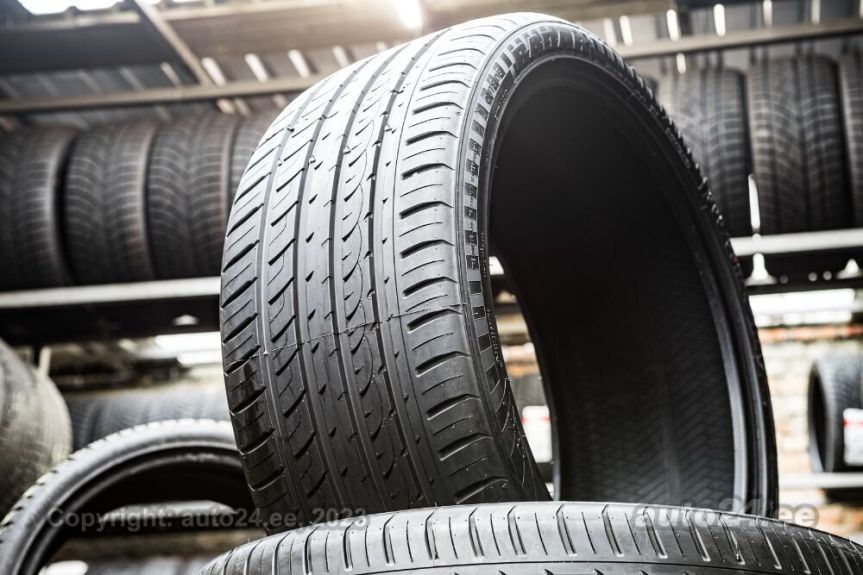
    On a rain-soaked morning in Singapore’s industrial heartland, Radar Dimax tyres were rolling off production lines at a pace that would have seemed impossible just two decades ago. Behind the glass walls of Omni United’s headquarters, a revolution was quietly taking shape—one that would challenge the century-old dominance of European and American tyre giants without firing a single shot or issuing a press release.

    The story begins in 2003, when G.S. Sareen, an entrepreneur with roots in the e-commerce industry, made a calculated bet that few industry observers took seriously. He founded Omni United with a radical proposition: premium performance didn’t require premium pricing. It was a thesis that would eventually reshape how the world thought about tyres, particularly the Radar Dimax line that would become the company’s flagship weapon in a David-versus-Goliath battle against entrenched competitors.

    The Singapore Strategy

    What Sareen understood, and what his competitors initially missed, was the power of strategic geography. Singapore’s position as a global logistics hub wasn’t just convenient—it was transformative. From this compact island nation, Omni United could orchestrate a complex supply chain spanning Thailand, Indonesia, China, and India, whilst maintaining the tight quality controls that European standards demanded.

    “We are a tyre designer, manufacturer and distributor that has deep rooted values of being sustainable and giving back to society,” the company states, but the reality is more nuanced. Internal documents reveal a meticulously planned expansion that saw Omni United grow from startup to a company selling over 5 million units annually across 80 countries in less than two decades.

    The Radar Dimax emerged from this crucible in 2006, three years after the company’s founding. But unlike traditional tyre launches that relied on massive marketing budgets, the Radar Dimax strategy was different: let performance speak before advertising did.

    The Laboratory Approach

    Deep within Omni United’s research and development facilities, engineers were pursuing what industry insiders called “the impossible triangle”—the simultaneous optimisation of performance, durability, and cost. The Radar Dimax became their proving ground, a series of experiments in advanced materials science that challenged fundamental assumptions about tyre construction.

    The breakthrough came through a combination of factors that competitors had dismissed as incompatible:

    •       PAH-Free Compound Technology:

    Whilst European manufacturers struggled with regulatory compliance, the Radar Dimax was designed from inception to exceed European standards for harmful chemicals

    •       Asymmetric Architecture:

    The tread patterns weren’t just aesthetic choices but mathematical solutions to the physics of grip, channelling water away whilst maximising contact patches

    •       Multi-Market Manufacturing:

    By leveraging production facilities across multiple countries, costs could be controlled without sacrificing quality

    •       Carbon-Neutral Operations:

    Since 2013, every Radar Dimax tyre has been manufactured with complete carbon offset—a commitment that preceded most competitors’ environmental initiatives by nearly a decade

    The Disruption Metrics

    The numbers tell a story that marketing departments prefer to keep quiet. Traditional premium tyre brands typically command margins of 40-60% over budget alternatives. The Radar Dimax compressed this gap to under 20% whilst maintaining performance standards that, in independent testing, often matched or exceeded established brands.

    “As Singapore’s authorized Radar tyres distributor, we take pride in our extensive collection that caters to every vehicle and budget,” notes one of the company’s key regional partners. This statement, buried in distributor communications, reveals the broader strategy: market penetration through value proposition rather than brand heritage.

    By 2015, the implications became impossible to ignore. Omni United’s aggressive acquisition strategy—Interstate Tire Distributor in California, A to Z Tire & Battery in Texas—wasn’t just about growth. It was about building a distribution network that could challenge the traditional three-tier system that had protected incumbent brands for generations.

    The Unexpected Alliance

    Perhaps the most telling element of the Radar Dimax strategy lies in an unlikely partnership. Since 2011, the company has quietly channeled over $1.4 million to the Breast Cancer Research Foundation, funding approximately 28,000 hours of research. This wasn’t corporate philanthropy as usual—it was calculated brand differentiation.

    Whilst competitors focused on racing sponsorships, Radar Dimax was building credibility through medical research funding, a strategy that emerged in 2024 when the company chose Finland’s Lapland—200 kilometres north of the Arctic Circle—for testing its latest developments.

    The Network Effect

    Investigation reveals that the Radar Dimax distribution model represents a fundamental challenge to traditional automotive retail. With 29 warehouses spanning over 1 million square feet and relationships with more than 15,000 dealers across eight US states alone, Omni United has assembled infrastructure that rivals century-old competitors.

    The efficiency metrics are striking. The company’s order-to-shipment timeline averages under 20 days—a standard that traditional manufacturers struggle to match.

    The Future Impact

    What emerges from examining Omni United’s trajectory is strategic patience personified. Whilst competitors pursued aggressive marketing, the Radar Dimax strategy focused on fundamentals: quality manufacturing, efficient distribution, and innovation that matters to drivers.

    The company’s recent moves—electric vehicle-specific compounds, run-flat technology integration, and expanded size ranges—suggest this is the opening phase of a larger campaign. Industry analysts who initially dismissed the Radar Dimax as budget import now find themselves recalibrating assumptions about market disruption.

    The Hidden Revolution

    As investigations into the tyre industry’s future continue, one conclusion becomes increasingly clear: the Radar Dimax phenomenon represents more than successful product development. It demonstrates how strategic thinking, patient capital, and genuine innovation can challenge entrenched market positions that seemed unassailable.

    For drivers seeking performance without premium pricing, the Radar Dimax has become an open secret. For industry executives watching market share erosion accelerate, these Singapore-engineered tyres represent a warning that traditional competitive advantages may no longer provide the protection they once did.

    The revolution isn’t coming. It’s already here, rolling quietly on roads from Singapore to Stuttgart, carried by the understated excellence of Radar Dimax tyres.

  • Why More People Are Losing Car Insurance in 2025—and How to Keep Yours
    As economic pressures mount and the cost of living continues to rise, many South Africans are unexpectedly losing their car insurance coverage in 2025. Whether due to non-payment, policy misunderstandings, or administrative errors, this growing trend is leaving thousands financially vulnerable in the event of an accident or theft. In this article, we’ll explore the main reasons behind this issue and provide practical tips to help you maintain your car insurance policy without interruption.

    Why Are More People Losing Car Insurance in 2025?

    1. Missed Premium Payments Due to Financial Strain
      With rising fuel prices, food inflation, and higher interest rates, many drivers are struggling to keep up with monthly insurance premiums. One missed debit order could result in a cancelled policy—often without the driver realising it until it’s too late.
    2. Lapsed Policies from Ignored Communication
      Insurers regularly send out renewal notices or alerts when something’s wrong with your policy. If you’ve changed your email address or phone number and failed to update your insurer, you might miss important messages that could lead to cancellation.
    3. Unintentional Non-Disclosure
      Failure to disclose recent changes—such as a new address, additional drivers, or a change in car usage—can invalidate a policy. If your insurer finds out during a claim, they may reject it or even cancel the cover altogether.
    4. Automatic Renewal Confusion
      Some drivers assume that their policy will renew automatically each year. However, if your bank account details change or your policy terms shift, your coverage might lapse without warning.
    5. Cancelled Policies After Claims
      After filing a claim, some drivers are surprised to learn that their policy has been cancelled—either due to disputes, suspected fraud, or underwriting reassessments. Insurers may opt not to continue coverage if they see an increased risk.

    How to Avoid Losing Your Car Insurance Policy

    1. Set Payment Reminders or Debit Orders
      Ensure your insurance premium is paid on time every month. Set a calendar reminder or, even better, set up a debit order to automate the process and avoid missing a due date.
    2. Keep Your Contact Details Updated
      Always update your insurer with your latest contact information. If your number, email, or address changes, notify them immediately so you don’t miss critical policy updates or payment notifications.
    3. Notify Insurers About Any Life or Vehicle Changes
      Whether you start using your car for business, move to a new neighbourhood, or add a second driver, always disclose the change to your insurer. Full transparency helps maintain a valid and enforceable policy.
    4. Read Your Policy Documents Annually
      Go through your policy document each year and review the terms. Check your cover levels, any changes in excess, and whether your policy will automatically renew.
    5. Compare and Switch, But Don’t Let It Lapse
      If you’re shopping around for better premiums or benefits, make sure your new cover is in place before you cancel the old one. A short gap—even just a few days—can leave you exposed and affect future premiums.

    Don’t Get Caught Without Cover

    Insurance is often something you only appreciate when you need it. Losing your car insurance policy—especially without knowing it—can be financially devastating. The cost of an accident or stolen vehicle far outweighs a monthly premium, no matter how tight the budget gets.

    Fortunately, insurers like MiWay Insurance are offering more flexible payment options, app-based policy management, and proactive communication to help clients stay on track. By being proactive and informed, you can avoid becoming one of the growing number of South Africans left without protection on the road in 2025.

    Conclusion

    While 2025 has brought new financial challenges, it’s more important than ever to maintain your car insurance. Small steps—like reviewing your policy, staying in contact with your insurer, and making timely payments—can make all the difference. Don’t let a minor oversight turn into a major setback.

  • Winter Car Accidents and Insurance Claims: What South African Drivers Need to Know

    As temperatures drop and rainstorms rise, South African roads become more dangerous, particularly during the peak winter months of June through August. The wet, slippery roads and reduced visibility contribute to a spike in car accidents across the country. For motorists, understanding how to respond to these incidents—and how to manage insurance claims effectively—can make all the difference in recovering quickly, financially and emotionally.

    This guide breaks down what drivers need to know about increased winter accident risks, how to file a successful insurance claim, and how to make sure you’re adequately covered when the unexpected occurs.

    • Why Winter Increases the Risk of Car Accidents
    • Slippery Roads and Poor Visibility

    Rain-slicked roads and foggy mornings create hazardous driving conditions, especially for those unaccustomed to adjusting their driving style in poor weather. Potholes become waterlogged traps, and painted road markings can become invisible under heavy rain.

    • Increase in Peak Hour Collisions

    Winter means darker mornings and earlier sunsets, reducing visibility during rush hours. With more cars on the road during low-light conditions, rear-end collisions, bumper bashes, and highway pile-ups tend to rise.

    • Mechanical Failures

    Cold temperatures affect tyre pressure, battery performance, and braking systems. Neglecting vehicle maintenance during this season can lead to breakdowns or loss of control—both contributors to winter accident stats.

    • The Stats: South Africa’s Winter Road Risks

    According to the Road Traffic Management Corporation (RTMC), South Africa records a noticeable uptick in minor to major traffic incidents during winter months. While the total number of fatalities remains high year-round, non-fatal accidents linked to wet conditions increase by up to 30% in some provinces, especially Gauteng and the Western Cape, where high-density traffic meets frequent rainfall.

    • What to Do Immediately After a Winter Car Accident
    • Ensure Safety First

    Move vehicles out of danger if possible. Turn on your hazards and check if anyone is injured. Call emergency services if needed.

    • Exchange Details and Take Photos

    Gather information from the other driver, including ID number, licence plate, and insurance provider. Use your phone to take pictures of the accident scene, damage, road conditions, and signage.

    • Report the Accident

    You must report the accident to the nearest police station within 24 hours, especially if there is damage or injury. This report is mandatory for most insurance claims in South Africa.

    • How to Navigate the Insurance Claims Process Efficiently
    • Notify Your Insurer Promptly

    Contact your insurer as soon as possible—ideally within 48 hours. Delays can complicate claims, especially if road conditions worsen evidence collection.

    • Submit All Required Documents

    This includes your SAPS case number, photos of the incident, a statement detailing what happened, and third-party information. Be honest and concise.

    • Use Digital Claims Platforms

    Modern insurers like Pineapple Insurance allow you to submit claims digitally through a mobile app, streamlining the process and reducing back-and-forth.

    • Common Reasons Winter Claims Are Rejected
    • Failure to report the accident within 24–48 hours
    • Driving an unroadworthy vehicle (e.g., worn tyres or faulty brakes)
    • Inaccurate or incomplete statements made during the claim
    • Policy lapses or incorrect cover for weather-related damages

    Ensuring your vehicle is regularly maintained and your documents are in order helps reduce the risk of rejection.

    • How to Prepare Ahead: Protect Yourself This Winter
    • Review Your Policy

    Double-check your car insurance policy details—do you have comprehensive cover or just third-party? Is weather damage covered?

    • Perform Vehicle Maintenance

    Before winter, check your tyres, brakes, wipers, and battery. These small checks can prevent major incidents.

    • Drive Defensively

    Slow down during heavy rain, increase following distance, and avoid using cruise control. Be cautious on highways and when navigating standing water.

    • Why the Right Insurer Matters

    The claims experience can make or break your trust in an insurer. A tech-savvy provider like Pineapple Insurance offers hassle-free app-based claims, transparent policy wording, and fast processing times—ideal for today’s digital-first drivers.

    Whether you’re navigating a rainy day fender-bender or a more serious collision, knowing your insurer has your back is invaluable during the colder months.

    Conclusion

    Winter driving in South Africa presents unique challenges, from slippery roads to higher accident rates. But with proactive vehicle checks, defensive driving habits, and a reliable insurance partner, you can reduce risks and navigate claims with confidence. The rainy season doesn’t have to be a season of stress—especially when you’re protected by the right car insurance policy.

  • Why Is Switching to An SUV Coupé a Smart Choice for Indian Families?
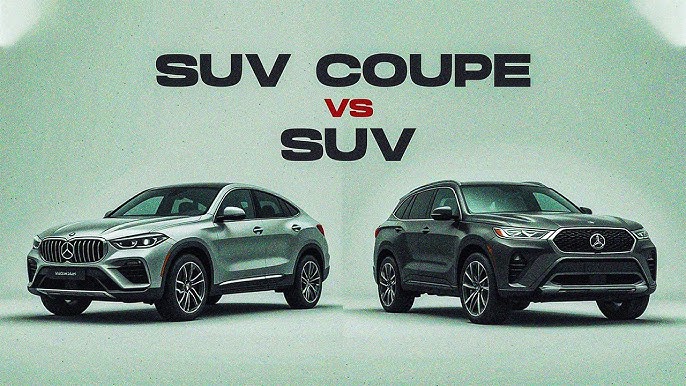
    Switching to an SUV coupé has become a smart choice for Indian families who seek a blend of style, space, and performance in one vehicle. Unlike traditional SUVs, a coupé-style SUV combines the utility of an SUV with the sophistication and slickness of a coupé, making it an ideal option for families that desire both comfort and curb appeal.

    • Better Mileage for Family Adventures

    For Indian families, fuel efficiency is a top priority. SUV coupés with efficient designs and better aerodynamics are a great choice, as they combine roomy interiors with good mileage. These vehicles offer the space families need without the high fuel costs often seen in larger SUVs. This makes SUV coupés ideal for long trips and daily commutes, offering a practical and budget-friendly travel option.

    A great example is the all-new Citroën Basalt, designed to make long journeys and daily drives more economical—an essential benefit for families seeking budget-friendly travel options. With an impressive fuel efficiency of 18.7 km/l, the Citroën Basalt’s mileage makes it a reliable choice for both city commutes and highway travel.

    • Stylish Yet Practical Design

    SUV coupés make a statement with their bold, sporty look. The best premium SUV coupé models feature a sleek sloping roofline, strong stance, and smooth edges—all carefully designed for style and function. These design elements enhance aerodynamics and improve road grip, making them more than just eye-catching. For Indian families looking to stand out without compromising on practicality, SUV coupés are an ideal choice. Many, like the Citroën Basalt, also include features like LED headlamps and diamond-cut alloy wheels, blending elegance with a rugged appeal.

    • Space and Comfort for Every Family Member

    With ample legroom, adjustable seating, and a spacious cabin, SUV coupés are designed with family comfort in mind. They combine a sleek exterior with a roomy interior, allowing parents to travel with kids, luggage, or sports equipment without feeling cramped. Modern SUV coupés also integrate features like advanced climate control and plush seating to enhance long drives, whether for family road trips or daily errands.

    • Safety Meets Innovation

    Indian families value safety, and premium SUV coupés are loaded with modern safety technologies. Many models even offer additional airbags, driver assistance, and impact sensors that make sure in case something happens, everyone is safe. For families, this focus on safety provides peace of mind, especially during long drives on highways or while navigating unpredictable city traffic.

    • Ideal for Urban and Rural Driving

    SUV coupés combine SUV durability with coupé agility, ideal for both urban and rural environments. Their ground clearance and suspension make them versatile enough for Indian terrains, handling city streets and rough patches with ease. The compact design, paired with features like parking sensors, also makes manoeuvring through tight spaces easier, an essential for Indian roads.

    SUV coupés bring together style, space, safety, and efficiency, appealing to the modern Indian family looking to upgrade to a vehicle that checks all the boxes. With their unique blend of aesthetics and functionality, these vehicles provide a fresh approach to family travel in India.

  • The Future of Vehicle Suspension Technology 
    Among the many different – and more well-known – components that make up the car, one often forgotten one is now at the brink of a technological breakthrough. This is none other than the suspension system. The motor industry is leaning towards a more connected and electronic future, and with companies like Haldex, the suspension system is moving along with it. This future promises to be more comfortable for drivers and more efficient and sustainable. Let us see how.

    The Introduction of Active and Adaptive Systems 

    The addition of these systems to suspension technology has played an essential role in a car’s ability to react to various conditions in real-time. These are conditions such as the vehicle’s speed, its weight with and without extra load, and changes in the condition of the roads and weather. This has resulted in smoother drives, easier control, and, most importantly, increased safety on the road. As the system grows and adapts, it will be equipped to handle different conditions even before being tested.

    Electrical and Sustainable Advancements 

    The introduction of electric cars has, in turn, created the need for improvement in the already existing suspension technology. These vehicles with their larger batteries and unique weight distribution need a type of suspension system like Haldex.com that can manage these features without compromising safety, efficiency, and comfort. And with sustainability also at the forefront of everyone’s mind, the use of lighter materials and designs that leave minimal impact on the environment is now emerging.

    Integration With Other Vehicle Components 

    The suspension system does not work alone, nor will it grow alone. Systems like the brakes and steering work hand in hand with suspension. The innovations ahead will ensure these systems cooperate well and result in higher performance and safety levels no matter the driving situation.The future of vehicle suspension technology is truly one with a perfect blend of comfort, safety, efficiency, and innovation. Vehicles are bound to become more and more complicated. As they do, the once-simple suspension system is also transforming into a high-tech component that plays a critical role in the driving experience. No matter what you are looking for, from comfort to thrill, the future of suspension technology is ready to deliver it.

  • The Importance of OEM Windshields in High-Tech Cars

    Introduction

    Modern vehicles come equipped with advanced technology, from heads-up displays to ADAS (Advanced Driver Assistance Systems). One critical yet often overlooked component in high-tech cars is the windshield. Choosing the right replacement windshield is essential to maintaining your vehicle’s safety and performance. OEM windshields are specifically designed to meet your car’s original specifications, ensuring compatibility with built-in technology. If you’re considering a windshield replacement, it’s crucial to opt for OEM glass, especially for services like windshield replacement Columbia to maintain your car’s high-tech features.

    What Are OEM Windshields?

    OEM (Original Equipment Manufacturer) windshields are made by the same manufacturer that produced the original glass in your vehicle. These windshields meet strict quality and safety standards and ensure a perfect fit, unlike aftermarket windshields, which may vary in thickness, clarity, and sensor compatibility.

    Why OEM Windshields Matter in High-Tech Vehicles

    1. Preserves ADAS Functionality

    Many modern cars have sensors, cameras, and radars integrated into the windshield for safety features like lane departure warnings and adaptive cruise control. OEM windshields ensure proper sensor alignment, while aftermarket windshields may cause calibration issues.

    1. Ensures Proper HUD (Heads-Up Display) Performance

    Some high-tech vehicles project essential driving information onto the windshield. An OEM windshield has the correct thickness and clarity to prevent distortion, ensuring that the HUD functions as intended.

    1. Maintains Structural Integrity and Safety

    OEM windshields are designed to work with your car’s airbags and roof support system. An ill-fitting windshield can compromise vehicle safety in the event of an accident.

    1. Better Noise Reduction and UV Protection

    OEM windshields often have built-in acoustic layers and UV protection, which help reduce road noise and shield passengers from harmful sun rays. Aftermarket windshields may lack these essential features.

    1. Perfect Fit and Durability

    Since OEM windshields match the exact specifications of your vehicle, they offer better durability and a secure fit. This helps prevent leaks, wind noise, and structural weaknesses that could arise with aftermarket glass.

    Why Choose a Professional for OEM Windshield Replacement?

    Replacing a high-tech windshield is not a simple DIY job. Professional installers ensure precise fitting, correct sensor recalibration, and adherence to manufacturer guidelines. Always choose a reputable service provider to ensure your windshield replacement meets safety and performance standards.

    Conclusion

    For high-tech vehicles, choosing the right windshield is crucial to maintaining safety and functionality. OEM windshields offer the best fit, clarity, and compatibility with your car’s advanced systems. If you’re getting a windshield replacement in Columbia, always opt for an OEM windshield to ensure your car’s technology works seamlessly.

  • Experience the Ultimate in Style with Houston Luxury Car Rental
    Houston is a city of elegance, business, and culture, making it the perfect place to enjoy a luxury car rental experience. Whether you’re visiting for business, celebrating a special occasion, or simply want to elevate your drive, renting a high-end vehicle from Dream Charters ensures a premium experience. From sleek sedans to powerful sports cars, we provide the perfect vehicle for every occasion.

    Why Choose a Luxury Car Rental in Houston?

    Luxury car rentals are more than just a way to get from one place to another—they offer an unparalleled driving experience. Here’s why renting a luxury car can be the best choice:

    1. Unmatched Comfort and Style

    Luxury cars are designed with superior craftsmanship, offering plush leather interiors, high-tech entertainment systems, and advanced driving features. Whether it’s a Mercedes-Benz S-Class or a Rolls-Royce Ghost, these vehicles ensure a smooth and comfortable ride.

    1. Make a Lasting Impression

    Arriving in a high-end car instantly boosts your presence, whether you’re attending a business meeting, wedding, or special event. A luxury car not only enhances your image but also adds a level of sophistication to any outing.

    1. Performance and Power

    Luxury cars aren’t just about looks—they also deliver top-tier performance. Vehicles like the Porsche 911 or Aston Martin DB11 offer precision handling, speed, and a thrilling driving experience that turns any trip into an adventure.

    1. Convenience and Flexibility

    With Dream Charters, renting a luxury car is a hassle-free experience. Whether you need a vehicle for a few hours, a weekend getaway, or an extended stay, we provide flexible rental options to fit your needs.

    Top Luxury Cars Available for Rent

    At Dream Charters, we offer a carefully curated fleet of high-end vehicles, including:

    • Rolls-Royce Ghost – The ultimate in luxury and comfort, ideal for high-profile events and special occasions.
    • Lamborghini Urus – A high-performance luxury SUV that offers speed, space, and style.
    • Bentley Continental GT – A perfect combination of elegance and power for those who appreciate fine craftsmanship.
    • Porsche 911 Turbo S – An iconic sports car designed for those who love speed and precision.

    Perfect Occasions for a Luxury Car Rental

    Many of our clients rent luxury cars for various reasons, such as:

    • Corporate Events – Impress clients and business partners with a high-end vehicle.
    • Weddings & Anniversaries – Arrive in elegance on your special day.
    • Photoshoots & Video Productions – Elevate your content with a stunning luxury car.
    • Weekend Getaways – Explore Houston in style with a premium ride.

    Book Your Dream Ride Today

    If you’re ready to experience the thrill and sophistication of a high-end vehicle, Houston luxury car rental services from Dream Charters are here to make it happen. With a seamless booking process, exceptional customer service, and a diverse fleet of world-class cars, we ensure an unforgettable experience.

    Don’t settle for ordinary—elevate your journey with a luxury car from Dream Charters. Contact us today to reserve your dream ride and drive Houston in unparalleled style!

Design a site like this with WordPress.com
Get started