

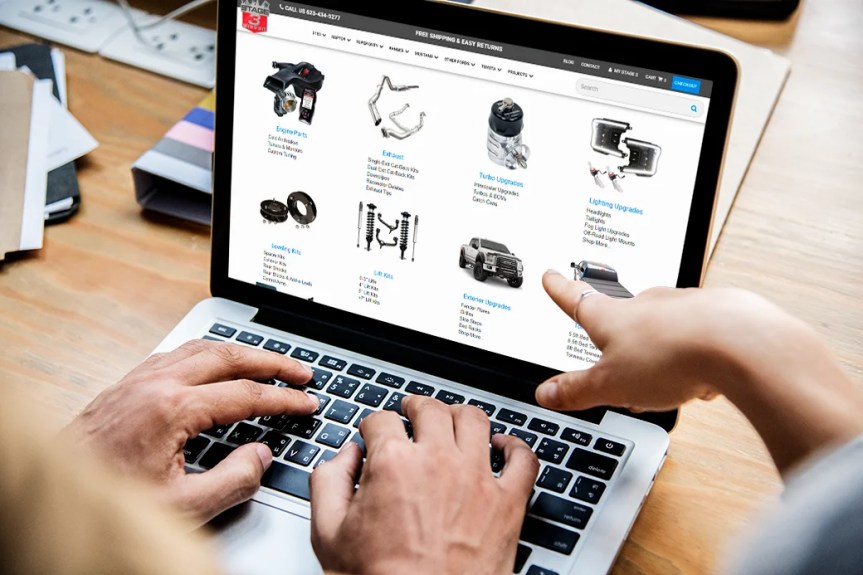
A car in this country lives its life against a ten-year clock, and what its owner should be buying changes as the clock runs. Advice that suits a two-year-old hatchback under warranty is wrong for a nine-year-old saloon whose owner is weighing renewal. This guide to the car parts online singapore shoppers can browse treats the subject by age of vehicle, because the right part, the right grade and even the decision about whether to buy at all depend on where the car stands.
Years One to Three: Mostly Hands Off
While the maker’s warranty runs, scheduled servicing normally happens at the authorised workshop and there is little to buy. Fitting outside parts to systems still under cover can give the agent a reason to decline a later claim on that system, so read the warranty booklet first. What owners can sensibly order themselves at this stage are consumables with no bearing on the mechanicals: wiper blades, cabin filters, floor mats, bulbs for the number plate.
Years Four to Six: The First Real Shopping List
Out of warranty, the pattern shifts. This is when the first battery gives up, the brake pads and perhaps discs come due, engine mounts soften and the air-conditioning starts to need attention in the heat. Owners moving to an independent garage discover that parts and labour can be bought separately. It is the natural moment to learn the car’s chassis number, start a folder of invoices and find one dependable source instead of a different marketplace seller each time.
Years Seven to Ten: Wear Arrives in Clusters
Late in the first registration period, components fail in groups. Suspension bushes, drop links and shock absorbers tire together; coolant hoses and the water pump follow; sensors begin to report faults. Buying piecemeal becomes expensive. It pays to have the car inspected, list everything due within a year and order in one or two batches. The grade question sharpens too, since money put into a car that may be scrapped soon is money judged differently.
After Renewal: Keeping an Older Car Honest
An owner who renews the certificate of entitlement commits to a second decade, and the calculation reverses. Now durability matters more than price, and availability becomes the worry, because makers gradually stop producing slow-selling items. Good relations with a long-standing auto spares distributor are worth more than any discount code at this point: such firms know which original-equipment factories still make a given part and which substitutes are sound. Stock up on model-specific rubber and trim while it exists.
Parts an Owner Can Change at Home
Some jobs need no lift and little skill. Wiper blades clip on. Cabin and engine air filters sit behind a cover held by clips or a few screws. Bulbs, fuses, key fob batteries and, with care, the main battery are within reach of anyone with a basic tool kit and a video guide. For these, ordering on the web makes plain sense: the saving is all yours, and an error costs minutes, not safety.
Parts to Buy but Not to Fit
A second group is reasonable to source yourself and hand to a professional: brake pads and discs, spark plugs, drive belts, shock absorbers, clutch kits. The owner controls brand and cost; the workshop supplies torque wrenches and judgement. Agree this with the garage before ordering. Ask whether their labour guarantee still applies and whether they want particular ancillaries, such as new bolts or gaskets, in the same delivery.
Parts Best Left to the Workshop’s Supplier
Then there are items where self-sourcing is rarely worth it. Anything needing coding to the car’s computer, airbag and seat belt components, internal gearbox parts and air-conditioning compressors come with diagnostic and warranty complications. If the garage supplies them, one party is responsible for both part and fitting. The few dollars saved by buying separately can disappear the first time there is a dispute about which half caused the fault.
Genuine, Factory-Equivalent or Third-Party
Grade should follow the life stage. Under warranty, stay with the carmaker’s box. In the middle years, parts from the same factories that supply the assembly line, sold under the factory’s own name, usually give identical quality for less. Near the end of a registration period, a reputable third-party brand on non-critical items is defensible. On braking and steering, hold the higher standard throughout. Whatever the grade, the listing should name it without euphemism.
Changes the Authorities Care About
Replacement is one thing, alteration another. Louder exhausts, different lamp types, lowered springs, larger wheels and engine tuning all fall under Land Transport Authority rules on modification. Some are allowed with certified components, some need approval, and some are simply prohibited. An unapproved change can fail the periodic inspection. Before adding anything that was not on the car when it was registered, check the authority’s current guidance, since overseas product pages will say nothing about it.
Planning the Next Order
Work out which stage the car is in, then act accordingly. Keep the chassis number and past part references in one note on your phone. Sort the next twelve months of likely replacements into home jobs, buy-and-hand-over jobs and workshop-supplied jobs. Choose a grade for each. Finally, settle on a parts source serving garages and owners, and send your list for confirmation of fit before paying. An owner who buys by plan spends less than one who buys by breakdown.


